
Articulated Tug and Barge (ATB) Chemical Conversion and Life Extension
ATB: Battery Park & MAM 141
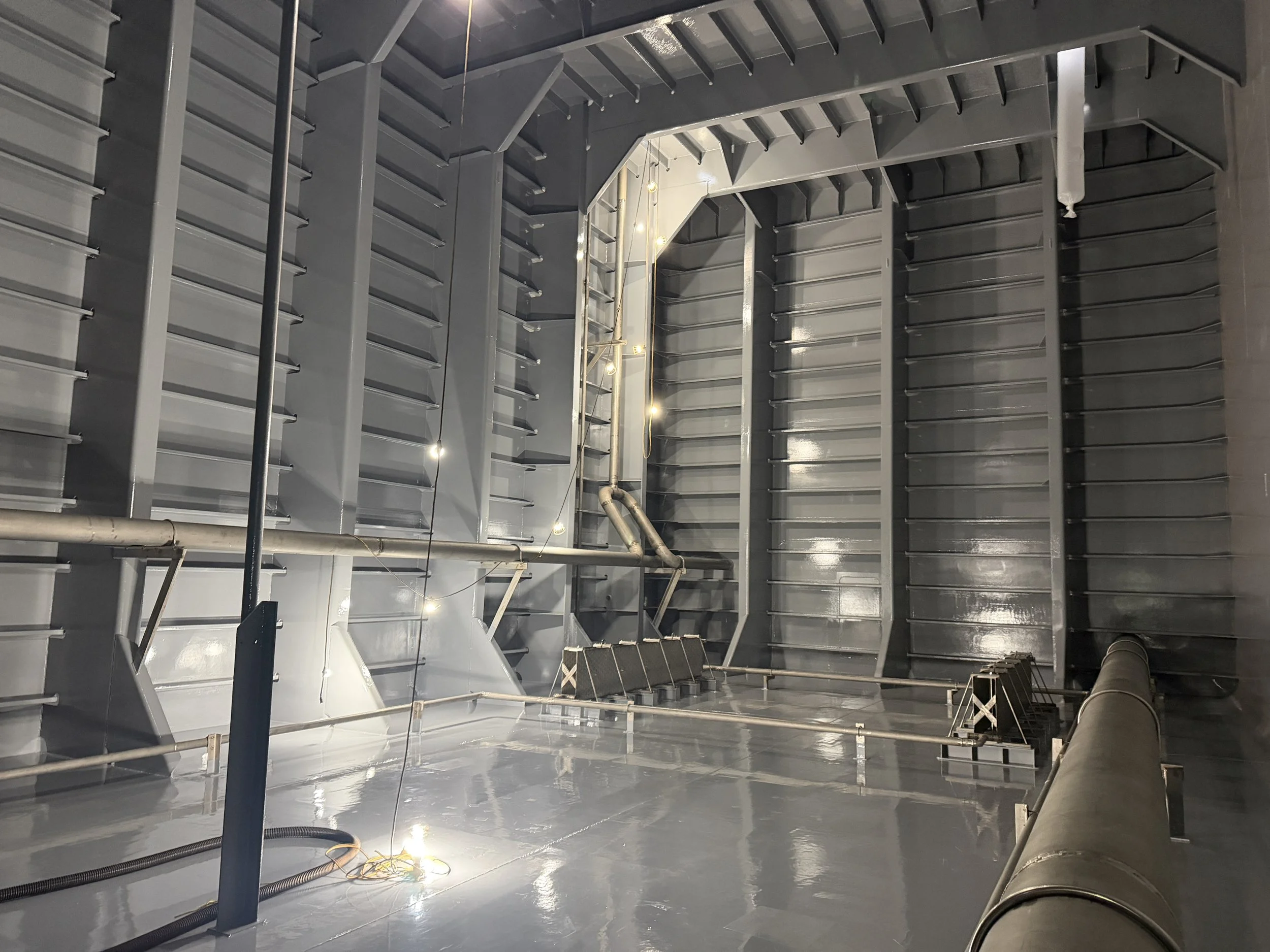
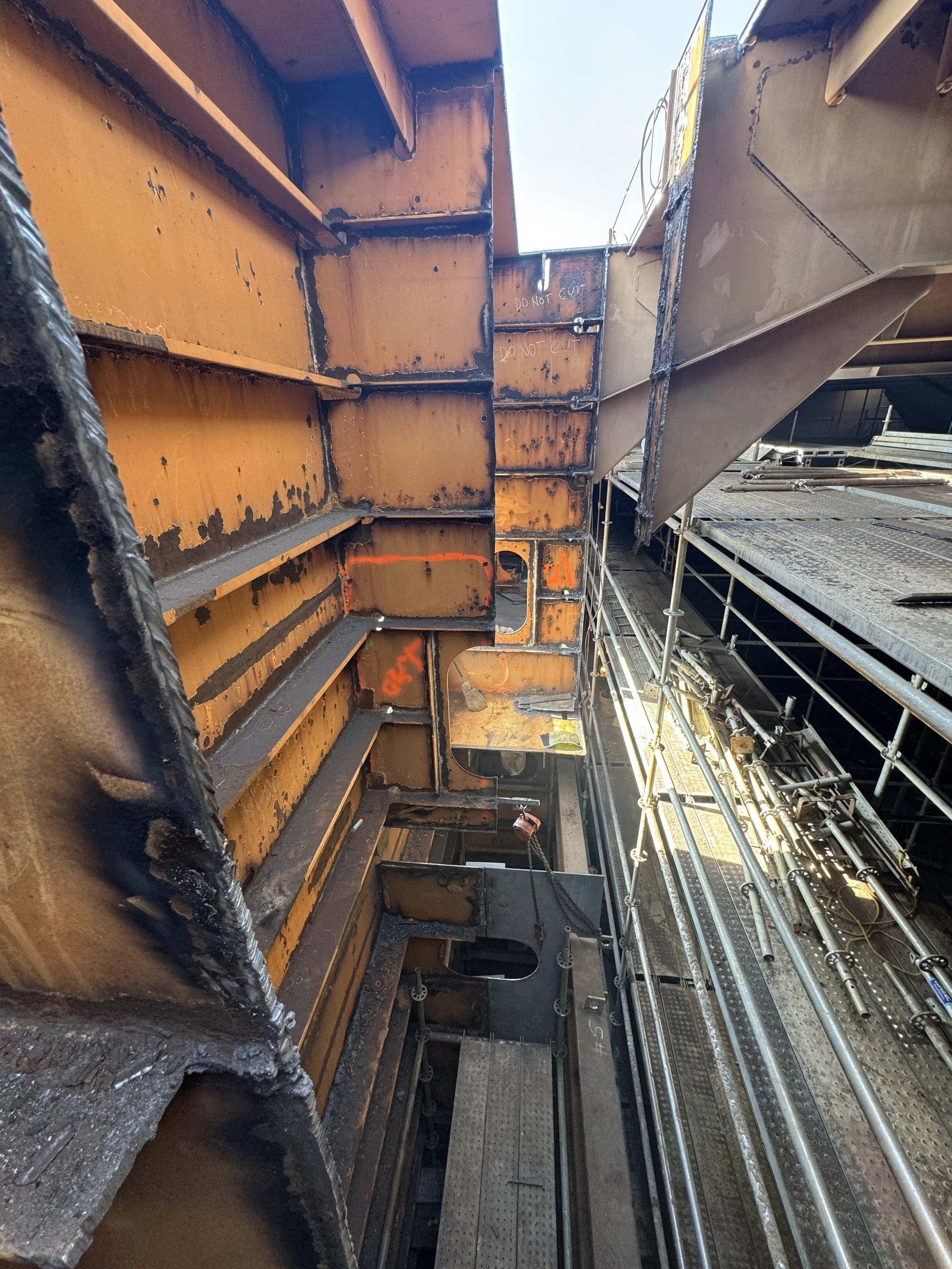
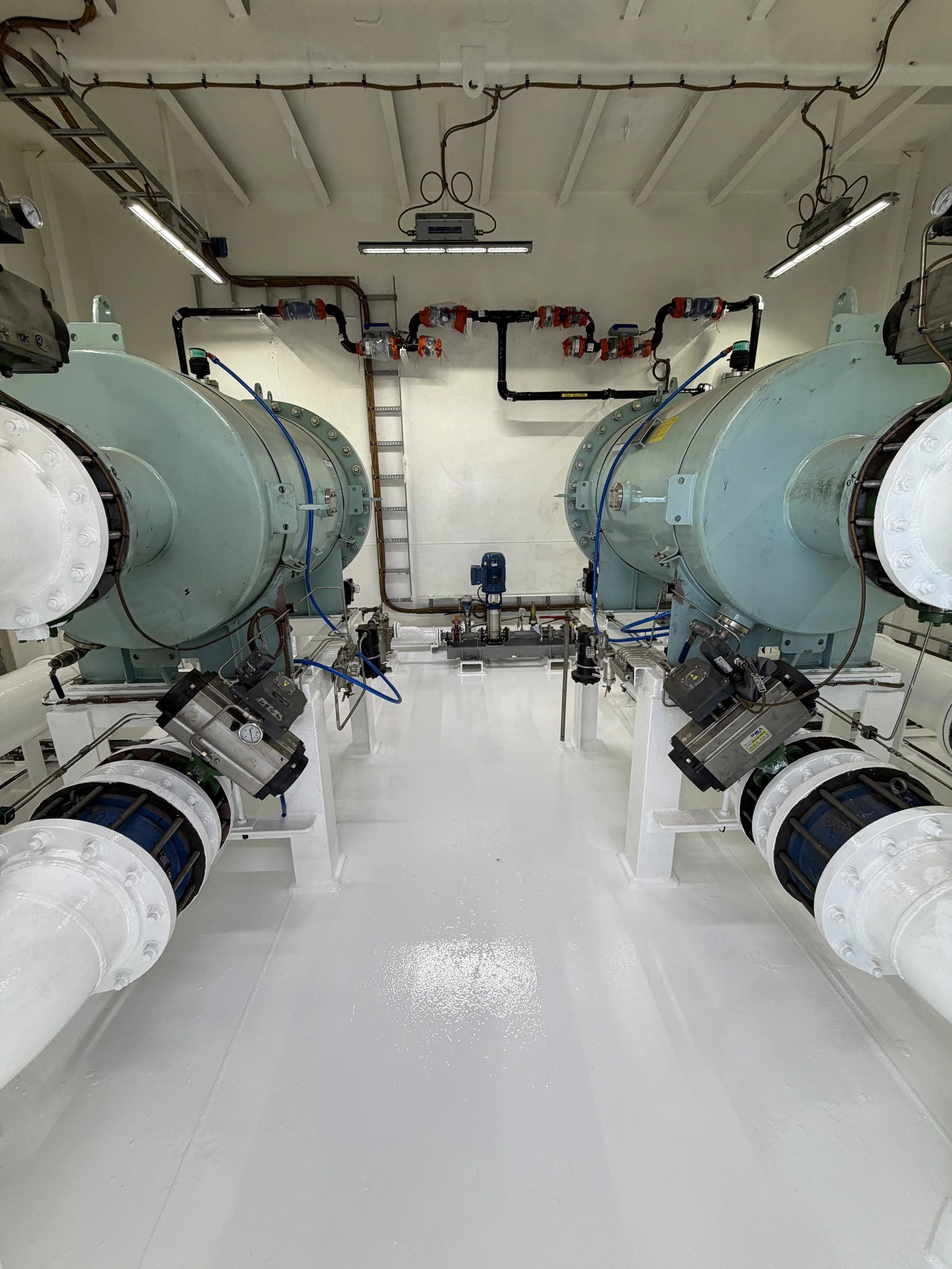
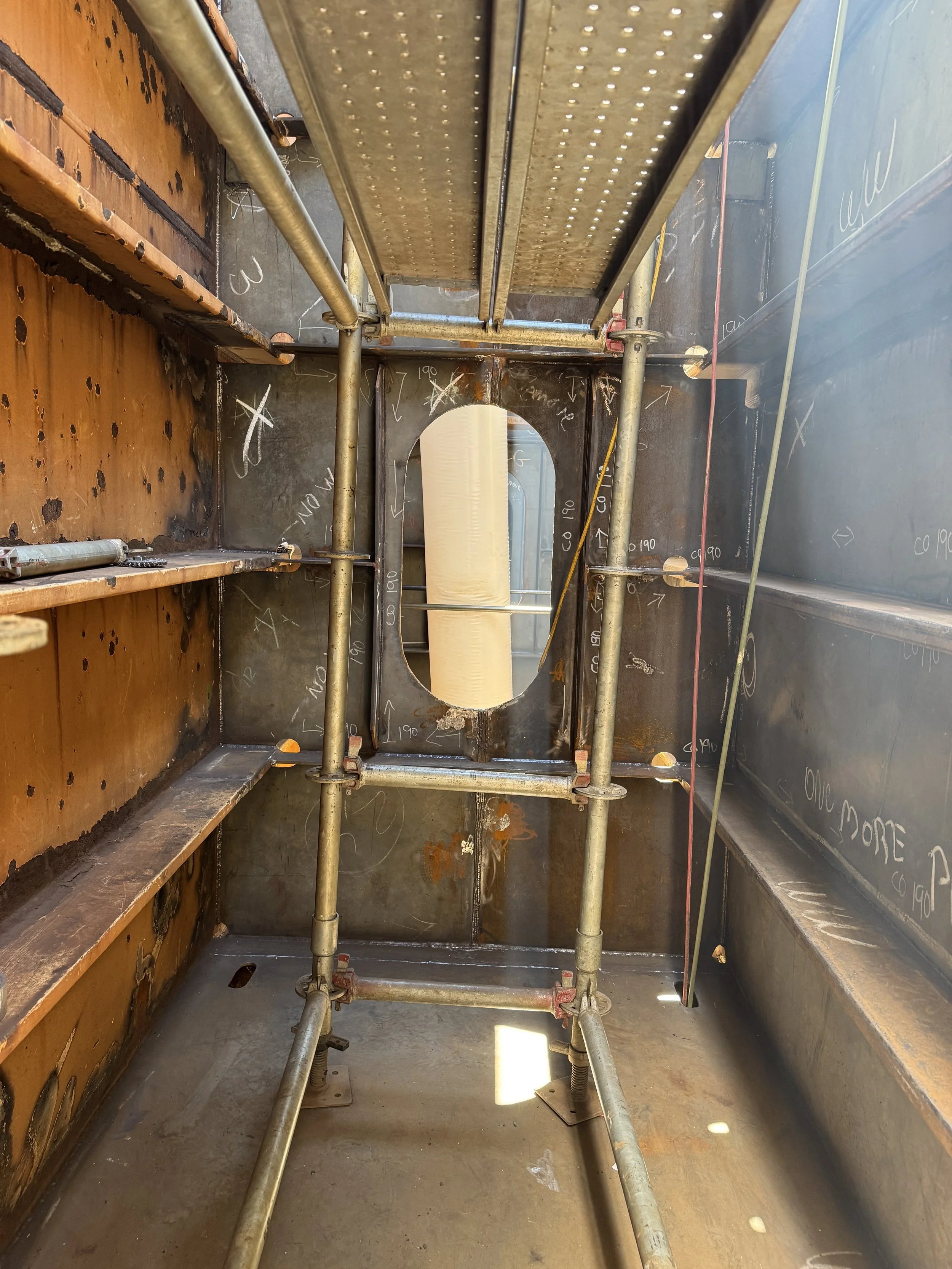
Major Conversion, Reconstruction & 15-Year Life Extension
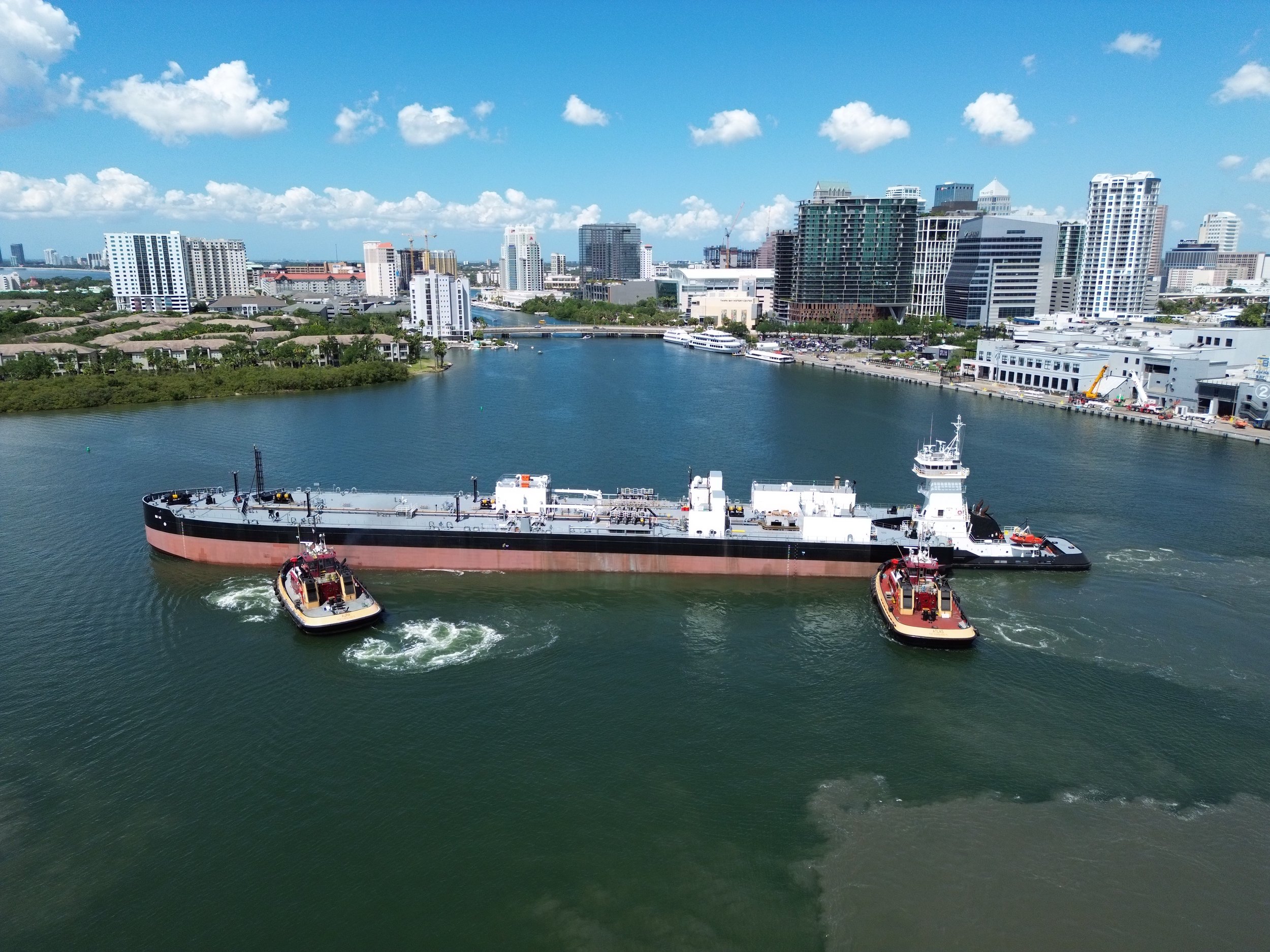
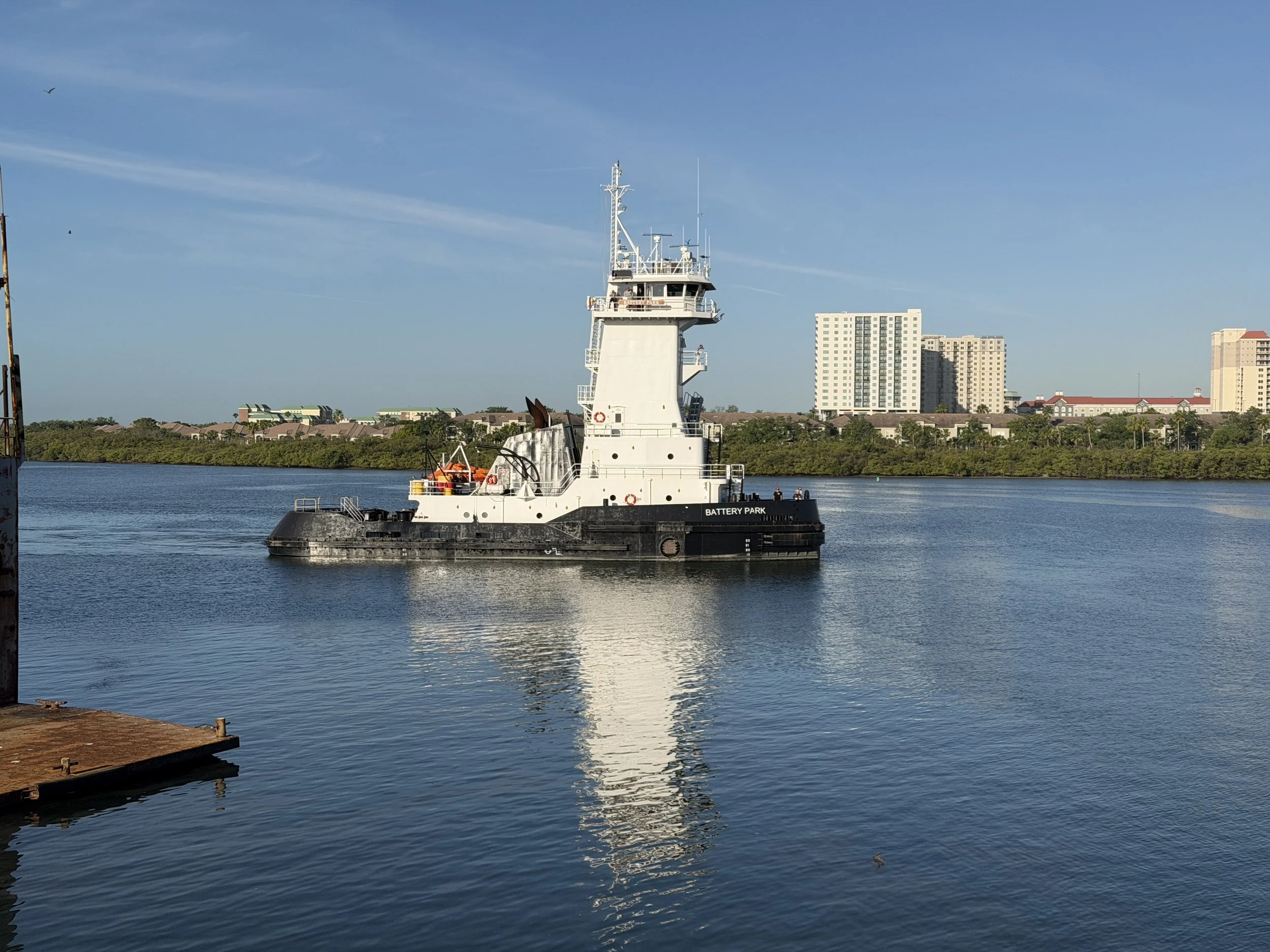
Alternative Marine Technologies (AMTECH) served as Vessel Construction Manager for the comprehensive conversion and life extension of the Barge MAM 141 and Tug Battery Park, delivering the unit into U.S.-flag coastwise service on April 18, 2026, from Gulf Marine Repair in Tampa, Florida. This was the first conversion of an ATB petroleum barge to full chemical service completed in the United States.
The project transformed two 18-year-old assets—purchased while in layup and non-operational, with expired Class and Flag certificates—into a modern, flexible chemical and petroleum carrier. Executed over 19 months as Gulf Marine Repair’s largest conversion to date (involving more than 200 workers), the work recovered full Class and Flag compliance, introduced advanced cargo and systems capability, and established a 15-year life extension. Conversion cost was approximately one-third of the estimated $150 million required for a new ATB of equivalent size and capability (a 155,000-barrel chemical barge paired with a 6,000-horsepower tug)
Project Scope & Execution
AMTECH managed the full technical and construction program on behalf of the vessel’s owner. The scope left no system untouched:
Structural renewal: More than 320 tonnes of steel were installed before coating operations, much of it while the vessel remained afloat. Overall steel renewal exceeded 750,000 pounds, addressing the extensive deterioration of the laid-up units.
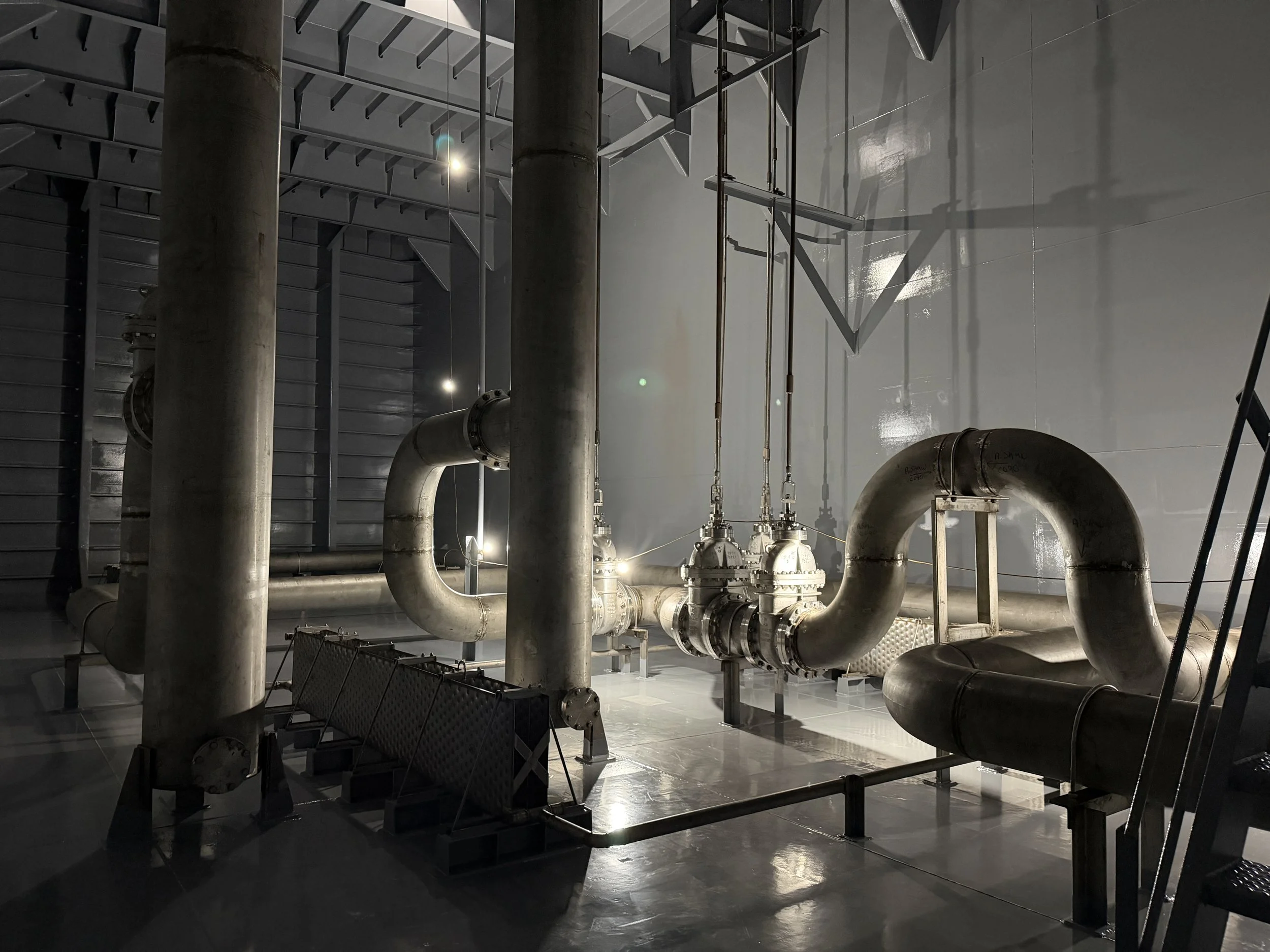
Cargo system redesign: A complete redesign of the cargo system in stainless steel, including pumps supplied by U.S. manufacturer ERL. The system was engineered for the higher demands and cargo flexibility of chemical service.
Tank coating: First-ever application of Advanced Polymer Coatings MarineLINE 784 on a Jones Act vessel in a U.S. shipyard. The coating was applied by Anchor Sandblasting & Coating. MarineLINE is a heat-cured polymer coating that forms a tightly knit, chemically inert barrier—often described as “liquid stainless steel.” It delivers superior resistance to acids, alkalis, solvents, and more than 5,000 chemical products, enabling rapid turnaround between aggressive cargoes such as methanol, caustics, biofuels, CPPs, and PFADs without the extended recovery times of phenolic or epoxy coatings.
Ballast Water Treatment: Installation of an Echochlor ballast water treatment system on the barge to meet current regulatory requirements and support unrestricted trading.
Machinery overhaul: Main engines, gearboxes, generators, cargo pumps, and associated machinery were fully dismantled, inspected, and rebuilt or upgraded.
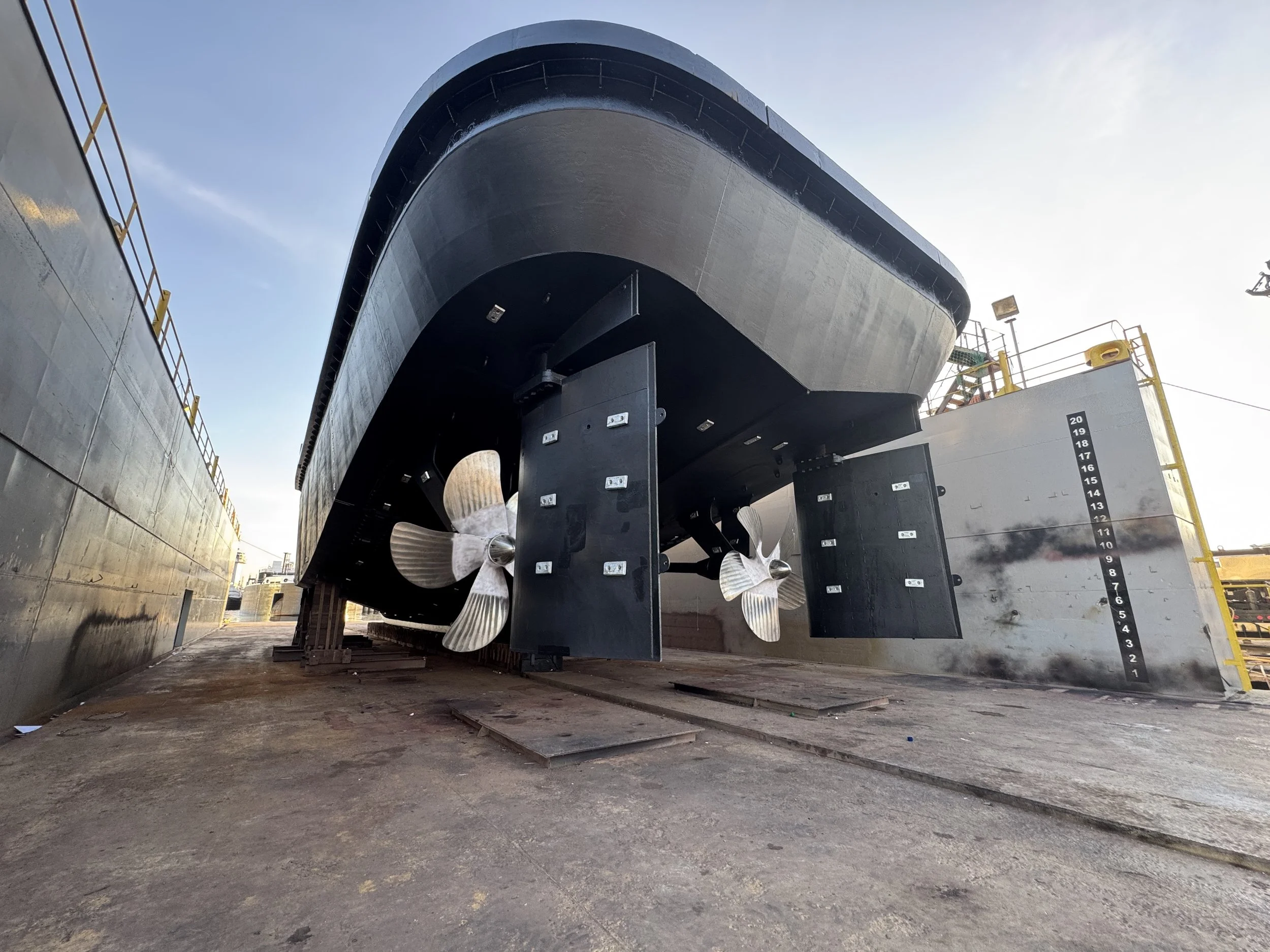
Propulsion Machinery: Full re-alignment of the propeller shafts on the tug Battery Park to restore proper shaft geometry and reliable propulsion performance.
Navigation and awareness systems: Wheelhouse upgraded to full ECDIS capability. Installation of the Quartermaster SmartMast Maritime Awareness system (U.S. manufacturer), providing real-time data, an AI radio-frequency interface via Starlink, and extended visual camera capability to 10 miles with 31× zoom
Coatings and habitability: Highest-grade hull and deck coatings applied. Cabins and public spaces were updated.
All work was performed in a U.S. shipyard, with AMTECH coordinating design integration, steel and systems installation, coating preparation and inspection support, Class and Flag, and final delivery. Gulf Marine Repair and Anchor Sandblasting & Coating were critical partners; the project established Gulf Marine as the only U.S. yard with proven expertise in large-scale MarineLINE application.
Delivery & Operational Outcome
On April 18, 2026, the ATB MAM 141 & Tug Battery Park departed Gulf Marine Repair as new U.S.-flag coastwise registered tonnage. Initial SIRE inspections were completed without comment, and the vessel was turned over to Savage Marine Management as operator.
The completed ATB now offers the cargo flexibility and operational efficiency previously associated with more specialized (and typically foreign-built) chemical tonnage, at a fraction of newbuild cost and within the Jones Act framework.
Strategic Value
The MAM 141 / Battery Park project demonstrates a practical path to expand U.S. chemical and product-carrying capacity. Rising volumes of specialized chemical cargoes—methanol, caustics, biofuels, and related products—have outpaced available suitable tonnage. By converting and life-extending existing Jones Act assets rather than pursuing new construction, the project delivers modern capability, advanced tank technology, and a 15-year service life at roughly one-third the capital cost of a comparable new ATB—all executed in a domestic shipyard.
AMTECH’s role as Vessel Construction Manager encompassed technical leadership, integration of advanced materials and systems, coordination across the shipyard and specialty contractors, and delivery of a fully compliant, commercially ready unit. The project adds tangible capacity to the U.S. fleet while showcasing the viability of high-quality conversion and life-extension work as a complement to new construction in the domestic maritime industry